About the Preserve

the vision
B Bryan Preserve is a not-for-profit organization dedicated to the conservation and responsible breeding of African hoofstock. The Preserve is home to diverse herds of antelope, equids, buffalo, and giraffe, cared for across spacious pastures designed to provide a natural and enriching environment.
Our mission is to provide exceptional animal care while maintaining healthy, sustainable breeding populations of threatened and endangered hoofstock species. Through education and meaningful guest experiences, we strive to connect people with these remarkable animals and inspire a greater understanding of the challenges facing wildlife in their native habitats.
Beyond the Preserve, we support conservation efforts in the wild, participate in animal welfare and research studies, contribute opportunistic biological samples, and collaborate with other conservation and zoological organizations whenever possible. Through responsible animal management, education, research, and collaboration, we work to make a lasting contribution to the conservation of these extraordinary species.
Why Hoofed African Mammals?
Founder Dr. Frank Mello and his wife, Judy, have always been wildlife enthusiasts. Frank, a Northern California native, met Judy in the corporate world in Mississippi where Judy was born.
Judy was fortunate to be able to spend time in several parts of Africa experiencing the beauty of the Flora and Fauna that the continent provides.
Frank was introduced to Sable Antelope on a trip to West Texas. That interaction led to a desire to protect and study the majestic animals. In 1998, on family land in Mississippi, the Mello’s founded B Bryan Preserve for the study and conservation of some of the most beautiful antelope in the world – Sable, Roan and Greater Kudu.
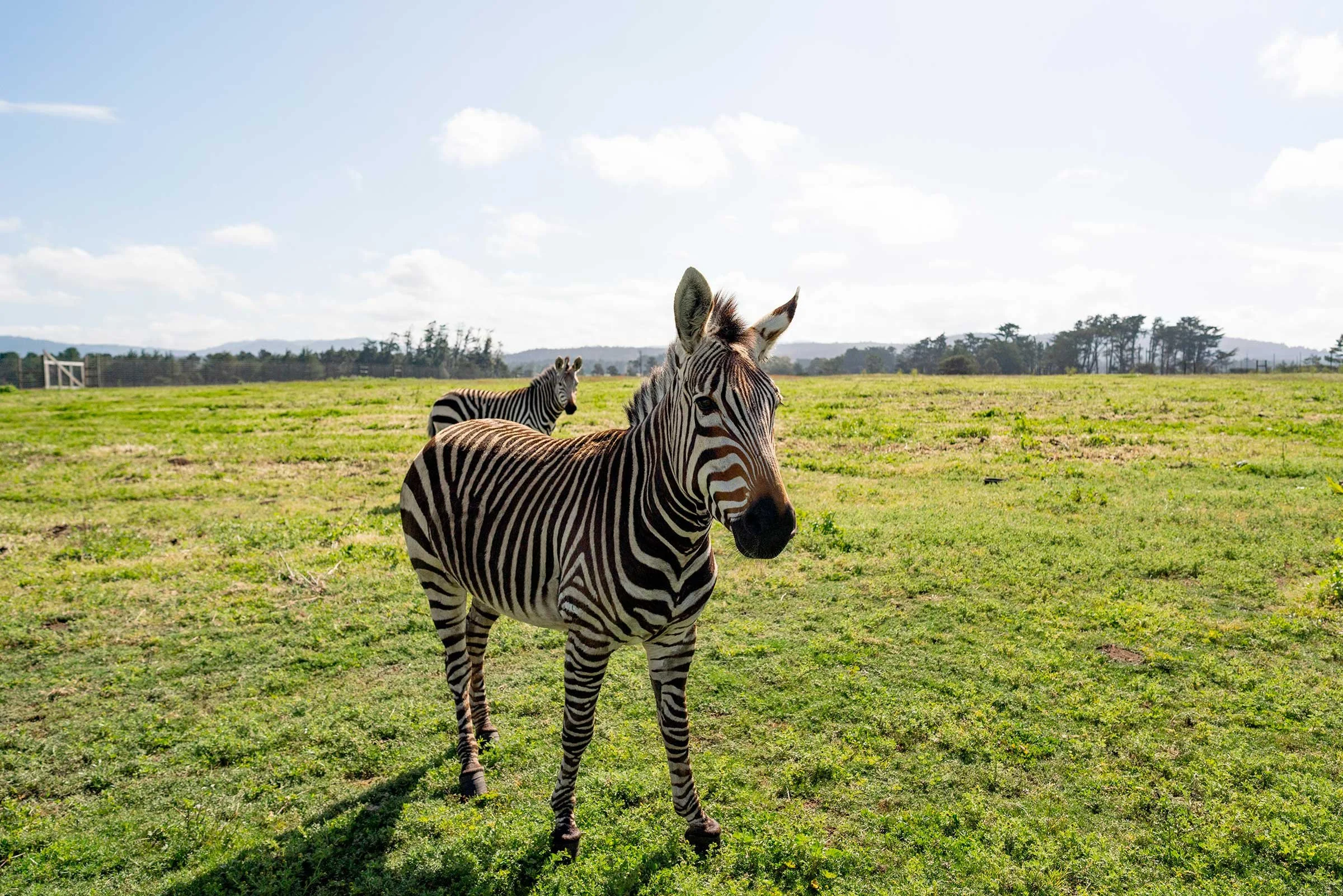
An opportunity for Judy to move her job to Northern California became available in 2004. They purchased a 100 acre ranch and moved their 11 animals to Point Arena in Mendocino County. Since then, endangered Grevy’s and Hartmann’s Mountain zebra and Rothschild’s Giraffe have been added to the Preserve.
Wildlife habitats around the world continue to decline. Many species are on the verge of extinction because they are being forced out of their native habitat. Degradation of grazing land, overpopulation of humans leading to more poaching for human survival, and AK 47’s in the hands of rebels due to political and social unrest continues to create a crisis for many animals in their native lands.
There is nothing more exciting and extraordinary than hearing the thundering hoofs of a herd of zebra or antelope running across the plains. Groups of animals in large open spaces are a sight to behold. However, many people will never be able to go to Africa and view these majestic creatures in their native habitat.
The Greater Goal
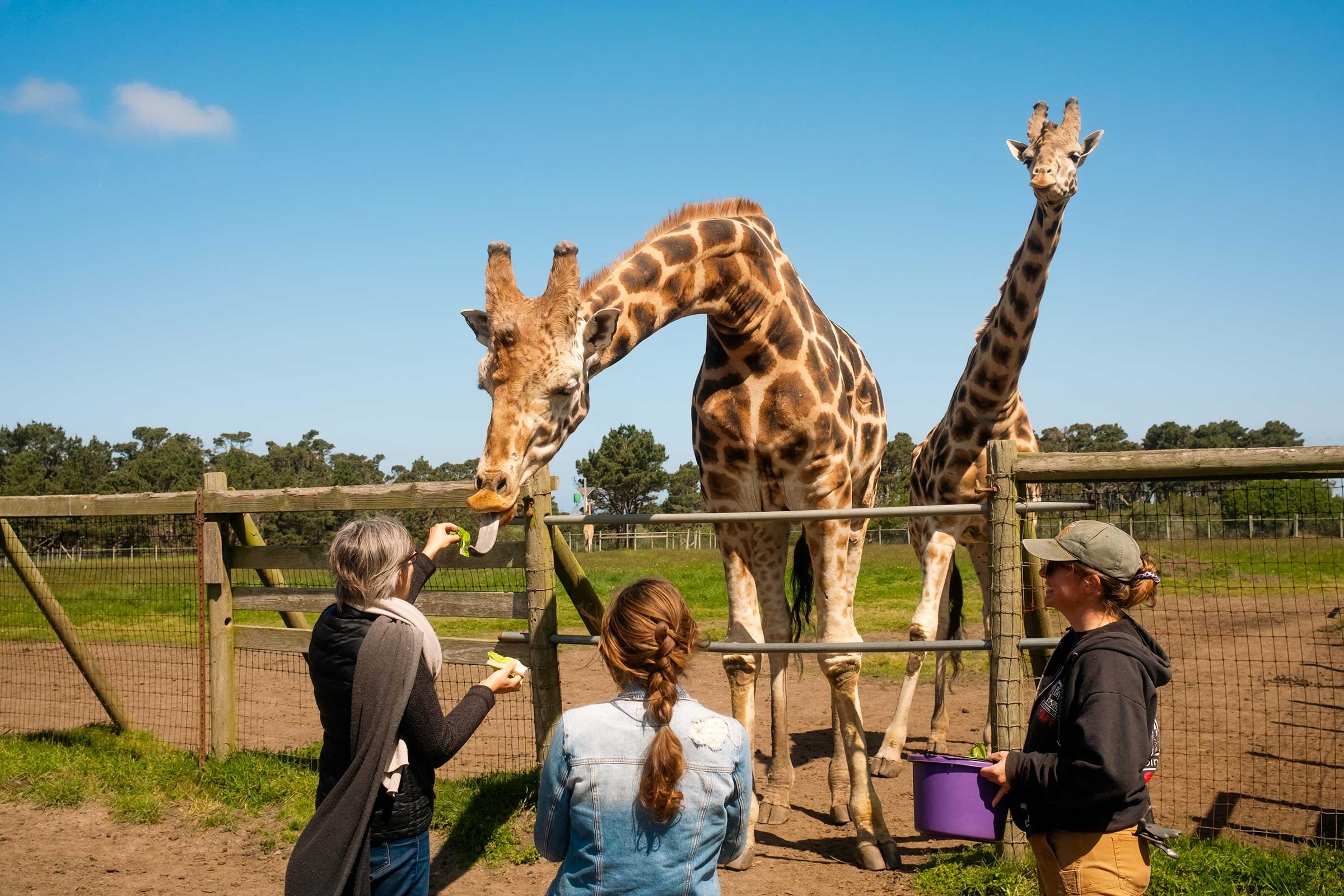
Through educational tours at the B Bryan Preserve, we try to instill visitors with a sense of hope for the future as they learn about the ways we can enhance conservation efforts and get involved with wildlife. By providing up-close and personal interaction with the animals, we hope to encourage visitors to take an interest in the conservation of some of the most magnificent animals on the planet. We also hope to provide awareness of the plight not only of our species of animals, but also what is happening on the African Continent.
you can help
While the future can seem bleak for these animals and our shared environment, there are steps you can take to support our work. Simply coming for a tour or staying for a weekend helps fund our efforts. You can also donate online, in person, or by mail.
It takes a lot of 'hay' to keep the preserve operating. Thanks for supporting us and endangered African hoofed animals!